In an Oct. 12 technical post, Perplexity described a Git-backed system for its Projects feature: each AI agent edits a local copy, and a service rejects work based on an outdated project version. The agent must bring its changes forward to the latest accepted version and submit again, which the company says prevents one contributor from silently overwriting another's update.
Projects are shared workspaces for ongoing tasks in Perplexity Computer, where people and agents can return to the same files and context across sessions. The technical post describes a design built to keep that work persistent, allow parallel contributions and show who changed what.
Git gives each agent a version to build on
Each agent works in its own temporary sandbox with a local copy of the project. When it finishes a meaningful piece of work, it submits the changes as a Git commit. The repository keeps the accepted project history even after that agent's sandbox ends; if the sandbox crashes, Perplexity says only work that has not been submitted is at risk.
The Git service accepts a submission only if it was built on the latest accepted version, called the repository head. If another contributor has already moved the project forward, the service returns a stale-base response. The agent then fetches the new version, reapplies its changes and submits again. That retry step is how the system avoids silently dropping work that was made in parallel.
Perplexity says fewer than 2% of submissions in its production workflows are rejected as stale. It reports median submission latency below 1.7 seconds and a 99th-percentile latency below 8 seconds. The company does not give an observation window or workload breakdown for those figures.
The design separates temporary compute from durable project files. A control plane finds the repository and issues short-lived access credentials; a Git service handles checkouts and submissions; and Amazon S3 Files stores the shared repository data. AWS describes S3 Files as a way for compute resources to access S3 data through ordinary file and directory operations.
Parsed documents become searchable files
Projects can contain PDFs and office documents as well as code. Perplexity says background workers extract text and metadata from changed documents, then make those results available to agents outside the Git history. An agent can search the extracted text with standard file tools and download the original document only when it needs a figure, layout or other information that text does not preserve.
In an internal comparison on 150 single-document financial questions, Perplexity's exploration agent scored 0.867 on retrieving the correct document and 0.627 on answering correctly. Semantic search over an index scored about 0.39 and 0.37 on those measures, respectively. Perplexity reports roughly 25% lower latency for its approach, but the post does not give enough benchmark detail to establish how the results transfer beyond that limited test.
Sources
- Perplexity, “Building shared workspaces for people and agents” (Oct. 12, 2026)
- Perplexity Projects product overview
- AWS, “Working with Amazon S3 Files”
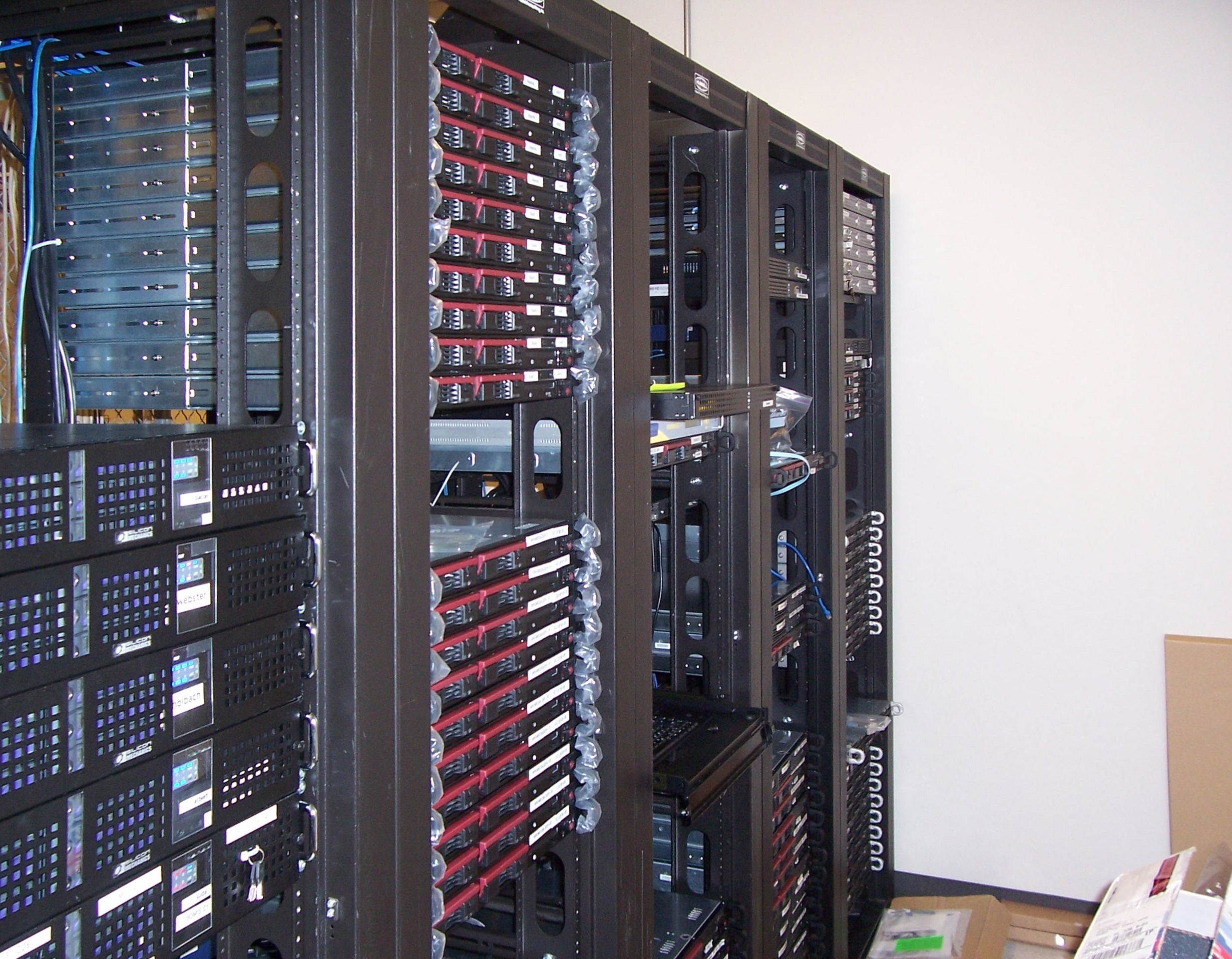
Illustrative image: server racks at a data center, photographed by Kyle Anderson; public domain via Wikimedia Commons. The image is not Perplexity infrastructure.
