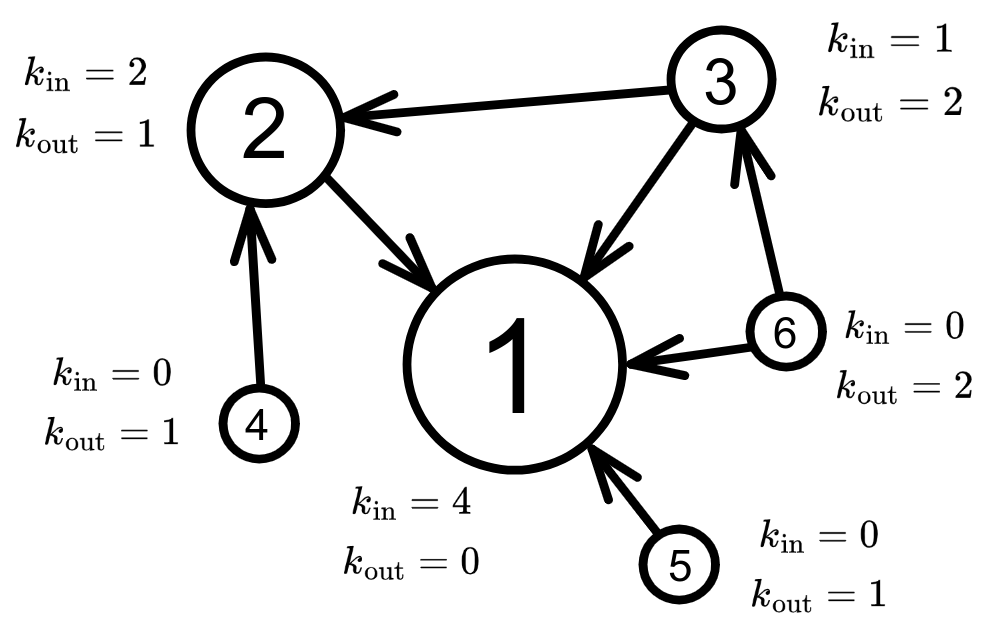
The U.S. National Library of Medicine has launched Linked Discoveries, an experimental tool researchers can open from eligible PubMed abstracts. It maps related records around a paper in graph and timeline views.
Image: Ali Ekramian, CC0, via Wikimedia Commons. The diagram is illustrative, not a Linked Discoveries screenshot.
The first version represents more than 29 million PubMed publications. A default neighborhood contains the starting paper and 49 related records; users can expand it to 200, filter by shared conditions, genes or chemicals, and inspect citation links, reviews, retractions and NIH funding.
Linked Discoveries uses BioMedBERT, a language model trained on biomedical and clinical text and adapted for this tool, to compare the meaning of each record’s title, abstract and keywords. It represents that text as numbers and groups records with similar representations, so papers about related topics can appear even when they use different wording. The user guide cautions that similar papers may use different methods or reach different conclusions, and their display order is not a reliable relevance ranking.
The tool is meant to help researchers place a finding in the broader literature, not to decide whether it holds up. NIH says Linked Discoveries does not judge study quality or determine whether a finding has been successfully replicated. It uses PubMed records rather than full text, may have incomplete citation links, and excludes records without abstracts and preprints.
Sources
- NIH launch announcement, Sept. 24, 2026
- National Library of Medicine: Linked Discoveries User Guide
- Linked Discoveries experimental tool
- Image: Ali Ekramian, “Citation network of 6 articles”, CC0; illustrative graphic, CC0 1.0.
