A theoretical study suggests that a two-dimensional material could help physical random-number generators switch faster without weakening the magnetic signal used to read each bit. The proposed material has not been experimentally confirmed as an autferroic, and no generator has been built.
Physical random-number generators draw bits from unpredictable fluctuations in matter rather than from a repeatable algorithm. In a magnetic tunnel junction, a tiny magnet can thermally flip between two orientations, changing the device's electrical resistance. Faster flips can reduce the contrast between those states and make the signal harder to read.
The researchers model an autferroic tunnel junction, where magnetic order and electric polarization are stable in separate phases and strongly compete. Their proposed switch can pass through an intermediate electric-polarization state on its way between magnetic orientations. That route lowers the energy barrier for a flip while preserving the magnetic difference used for electrical readout.
In an idealized single-unit-cell model based on a TiGeSe3 monolayer, the calculated switching barrier fell from 250 to 87 millielectronvolts when magnetoelectric coupling opened the lower-energy route. Simulated flips rose from below 100 per second to about 440,000. The authors counted a bit-generation rate only at sampling speeds that passed all eight core tests in the NIST Statistical Test Suite. That model-based rate exceeded 200,000 bits per second in the coupled case and reached about 1.1 million in a separate calculation with the magnetic and electric phases at equal energy.
Those rates come from simulations, not a measured device. The paper treats the single-unit-cell figures as upper limits; its multi-domain simulation produced a lower switching rate, and the authors say domain-wall pinning, defects and disorder could slow real devices. They also note that autferroicity itself has not yet been experimentally confirmed.
Sources
- Original paper: “Autferroics-based true random number generators with enhanced performance”
- Peer-reviewed publication in Physical Review Letters
- Rice University’s research announcement, September 24, 2026
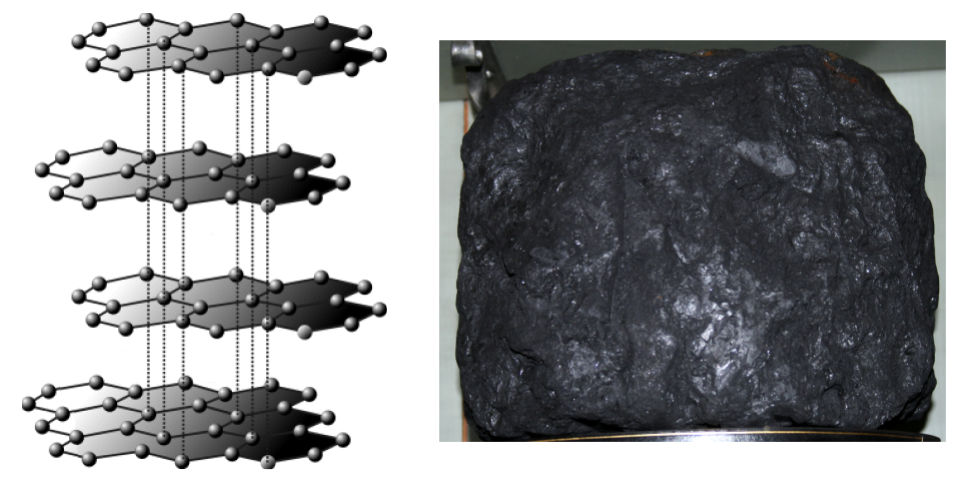
- Illustrative image: “Graphite and graphene,” by User: Anton and User: Karelj, released into the public domain; it is not an image of the study’s TiGeSe3 model. Image record.
